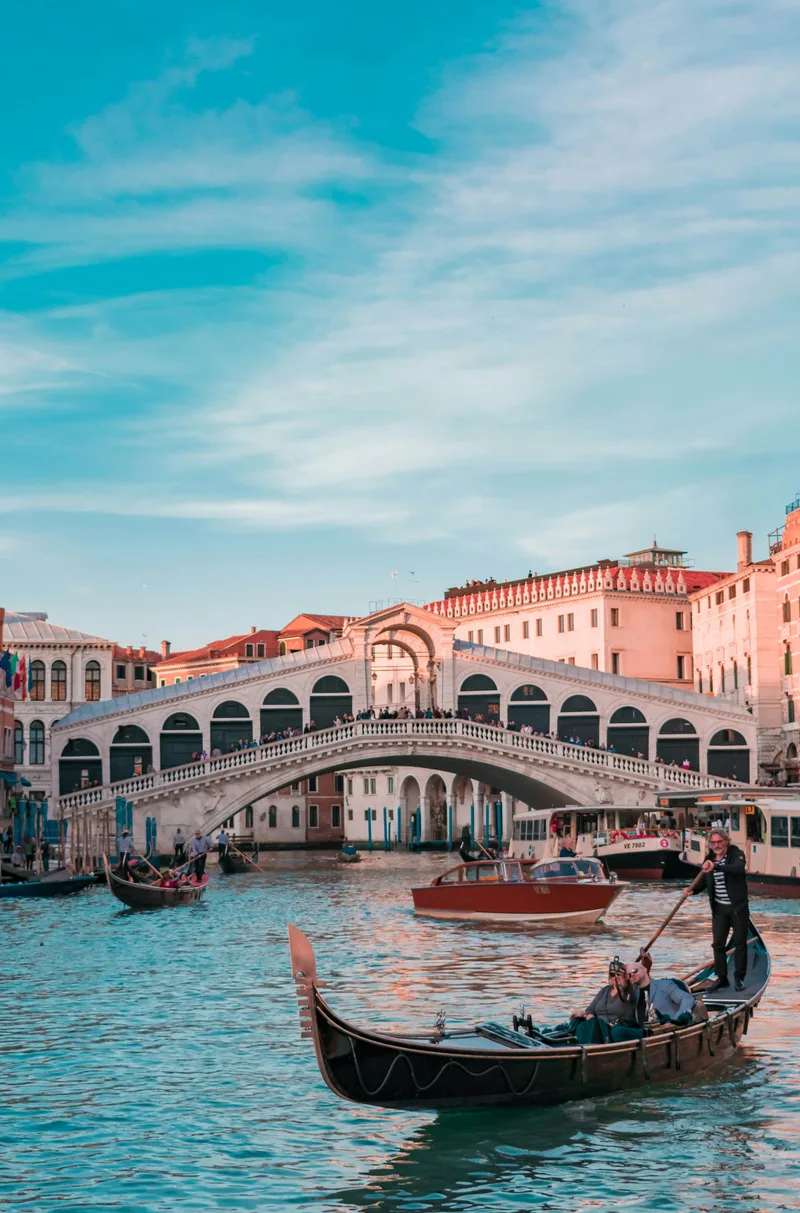
Italy consistently tops global surveys of countries people want to move to. The combination of climate, culture, food, and (in many areas) affordable cost of living is genuinely compelling. But "Italy" covers an enormous range of conditions. An expat living in central Milan and one living in rural Basilicata have experiences that share a flag and a language, not much else. This guide focuses on where international residents actually settle and why.
Florence: the natural starting point
Florence (Firenze) is where most English-speaking expats begin their Italian life, partly because it has the most established international infrastructure — American universities, international schools, a large English-speaking expat community, and a well-developed short-term rental market that preceded the longer-term relocation wave.
Costs have risen sharply since 2020. A one-bedroom apartment in the centre now runs €1,200–€1,800 per month; outside the central ZTL (restricted traffic zone) and in areas like Oltrarno or Campo di Marte, you can find equivalents for €900–€1,300. Healthcare is covered for residents who register with the regional health service (SSN) after obtaining a residency permit (permesso di soggiorno). The city is walkable, bikeable, and has reasonable rail connections. Its main limitation for working expats is that the economy is heavily tourism-driven, limiting local employment opportunities in most sectors.
Bologna: the expat's Italy for people who have done more research
Bologna is the city most commonly cited by expats who researched beyond Florence. It has a major university with 85,000 students, a year-round cultural calendar, excellent food (it is the origin of ragù, mortadella, and tortellini — not incidentally), and significantly lower rents than Florence despite comparable quality of life. A two-bedroom apartment in the centre rents for €900–€1,400 per month. Bologna also has better rail connections than most Italian cities — it sits on the main Rome–Milan high-speed line with direct services to Florence (35 minutes), Venice (90 minutes), and Milan (65 minutes).
The expat community is smaller and less Anglo-centric than Florence, which many residents regard as a feature. Italian language skills matter more here, and the city rewards those who invest in integration.
Turin: northern efficiency with southern soul
Turin (Torino) is consistently underestimated by international buyers. As Italy's former industrial capital (home to Fiat, Juventus, and the Shroud of Turin), it has a distinct character: more architectural grandeur than Florence, a celebrated aperitivo culture, and the lowest property prices of any northern Italian city at comparable quality. A large renovated apartment in the historic centre (Crocetta, San Salvario, Quadrilatero) costs €200,000–€350,000 — roughly half of Milanese equivalent pricing. Rent for a two-bedroom in the centre runs €800–€1,200 per month. The Alps are 45 minutes from the city centre; skiing at Sestriere or Bardonecchia is a genuine weekend option.
Naples and the Amalfi Coast hinterland
Naples (Napoli) divides expat opinion sharply. Those who love it find it the most alive city in Italy — chaotic, warm, loud, and with a food culture that puts other Italian cities in the shade. Rents in the historic centre (UNESCO-listed) and the Vomero hilltop neighbourhood are significantly lower than in the north: €700–€1,100 for a two-bedroom. The Amalfi Coast towns (Ravello, Positano, Amalfi itself) attract buyers wanting the quintessential Italian setting, but they are expensive seasonally, quiet off-season, and logistically demanding for anyone who needs to work regularly.
Palermo and Sicilian cities
Sicily is the fastest-growing expat destination in Italy, driven by price, climate, and the relative undiscovery of its cities versus the mainland. Palermo has a rough but genuine energy, Baroque architecture at scale, and rents in the €500–€900 range for central apartments. Catania, on Sicily's eastern coast at the foot of Etna, has a smaller but well-established expat community and direct flights to London, Frankfurt, and several other European hubs.
Visa and residency requirements
EU citizens retain the right to live in Italy without restriction, registering at the local Comune (municipal office) to obtain a certificate of registration. Non-EU nationals (including UK, US, and Australian citizens) require a residency visa. The most relevant for non-working retirees or remote workers is the elective residency visa (visto per residenza elettiva), which requires demonstrating passive income of approximately €31,000 per year (single applicant) and accommodation arrangements. Italy's digital nomad visa, enacted in 2024, provides an alternative route for remote workers with qualifying contracts.
The best place to live in Italy is ultimately the one that matches your specific needs — and the answer is almost never the most famous name on the list.
#Italy#expats#living abroad#Florence#Bologna#Sicily#cost of living#lifestyle
You are reading about Italy. Foreign-ownership rules, purchase taxes and letting licences there move more often than buyers expect, and the change usually lands after you have committed. We will email you when they do.