By Roshan L. Dsilva · Interior Design
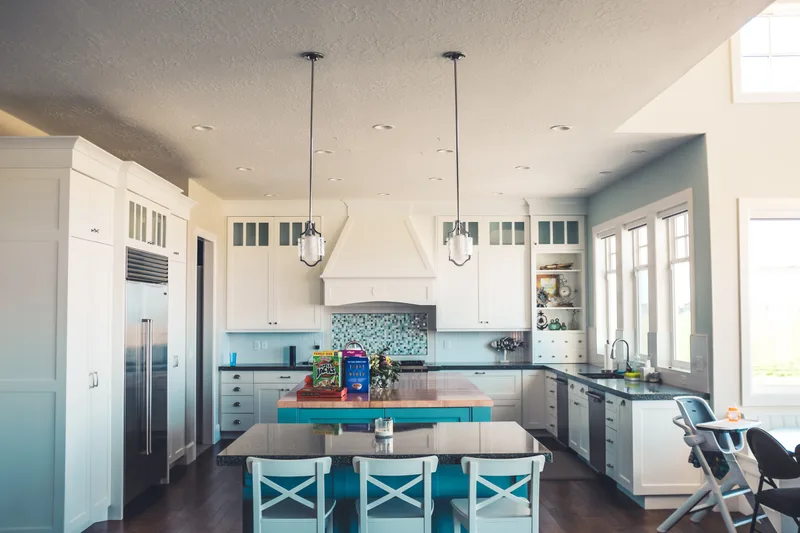
The house is yours. Now you have to make it work, and the standard against which to judge every decision is not how it photographs. It is this: a family arrives at half past eleven at night, in a hire car, with two tired children and no idea where anything is. Does the house look after them?
Furnish for that arrival and everything else follows.
Less, but better
The instinct with a second home is to furnish it with what you no longer want in the first one. Resist it. A holiday house full of surplus objects reads as tired, and it makes cleaning between visits slower — which matters whether you clean it yourself or pay someone.
Clear surfaces are the single strongest signal of a well-run house. Every ornament is something to dust, break and replace. Buy fewer things and buy them better, especially the things that touch people: mattresses, pillows, towels, knives, the sofa.
Spend disproportionately on beds. It is the one thing every single guest — including you — uses for a third of their stay, and it is the most common complaint about holiday properties everywhere in the world.
An owner's cupboard, locked
If there is any chance you will let the house, install one lockable cupboard or small room before you do anything else.
Your own clothes, papers, favourite kitchen things, the good wine, spare keys, anything sentimental. It means you can leave the house ready for guests without stripping it of everything personal each time, and it means arriving for your own holiday does not begin with a shopping trip.
Owners who skip this end up either letting strangers use their belongings or carrying two suitcases of their own things on every visit. Both wear thin.
Keys, and why the numeric lock is the best money you will spend
A keypad or smart lock removes an entire category of problem: key handovers, lockboxes that jam, the guest who arrives at midnight while your caretaker is asleep, the set that never comes back, the lock you then have to change.
Choose one with a physical key override and check what happens when the batteries die — because they will, and it will be the day of a changeover. Keep a mechanical backup with someone local regardless.
On cameras: a doorbell camera or a camera covering the outside of the property is sensible and normal. Cameras inside a holiday let are not. They are prohibited by every major booking platform and, in many countries, unlawful without explicit consent. If you install anything, keep it outside, point it away from neighbours, and disclose it.
The folder that answers the questions you will otherwise be asked
Every house has quirks. The tap that needs a firm hand. The switch that looks like a light and is not. Which bin goes out on which day, and where.
Write them down. One short, legible document, laminated or in a folder on the kitchen counter, covering:
- How the heating, cooling, oven, hob and washing machine work — in plain language, not the manufacturer's manual
- Wi-fi name and password, in large type
- Where the stopcock, fuse box and water shut-off are
- Rubbish and recycling
- Who to call, in order, when something breaks
- The nearest pharmacy, doctor and hospital, with addresses
This one document prevents more messages to you at inconvenient hours than anything else you can do.
The small things people actually remember
Not luxury — thoughtfulness. The list is short and cheap.
- Enough of everything. Towels for every bed plus pool towels. Enough cutlery for a full house plus four. More glasses than you think.
- Light you can control. Lamps and dimmers rather than one overhead light. Blackout in every bedroom, without exception.
- A first night's supplies. Tea, coffee, salt, oil, loo roll. Arriving at midnight to a house with nothing to drink is a bad first hour.
- Books, games and maps. A shelf of secondhand paperbacks, a couple of board games, a pack of cards, and local walking maps. Guests remember the rainy afternoon they played cards.
- Your own recommendations. A single page: the good bakery, the restaurant worth booking, the beach that is quieter, the market and its day. Written by you, not printed from a tourist office.
Choose materials for the second cleaner, not the first photograph
Everything in a holiday home is used by people who did not pay for it, cleaned in a hurry between bookings, and left empty in the damp for weeks.
Washable covers. Darker grout. Outdoor furniture that survives being left out, because it will be. Rugs that go in a machine. Avoid white upholstery, delicate timber near a pool, and anything where a replacement part must be imported.
If you are furnishing somewhere humid, take advice locally about what actually survives — the answer is often not what you would choose at home.
We take no commission from any supplier, and nothing here is a paid placement.