By Roshan L. Dsilva · Smart Buy
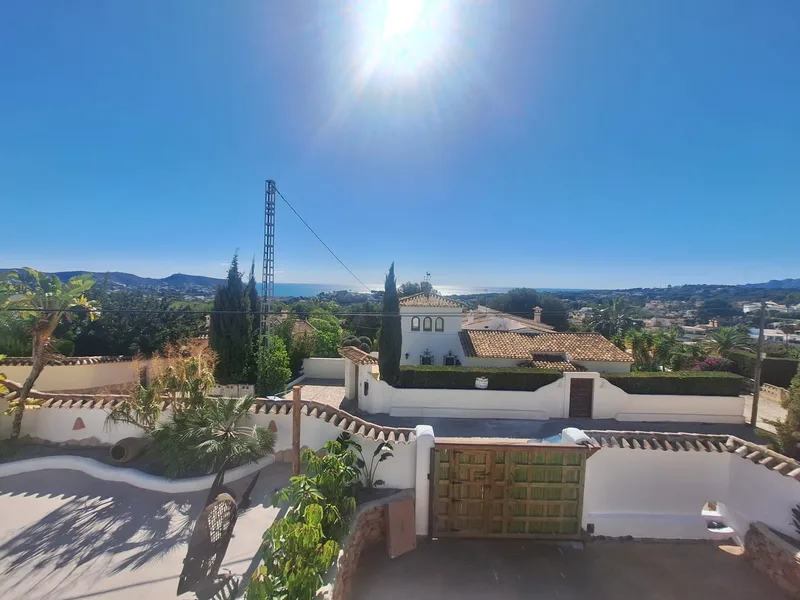
Almost everyone who buys a holiday home buys the same thing first: a picture of themselves in it. Long lunches. The children running about. That terrace, that light. I have had the picture myself, and I have watched a great many people act on it.
The picture is not the problem. The problem is that it is usually the only piece of work anyone does before they start looking at property. And by the time you are looking at property, you are answering the wrong question — you are asking “do I like this house?” when you have not yet asked whether you want a house at all.
So this is the article that comes before the viewing, before the budget spreadsheet, before the flights. It is a set of questions to put to yourself, honestly, while nothing is at stake.
Start with what actually happens to people who buy
LendingTree commissioned a survey of 461 Americans who own additional property — second homes and investment property — with fieldwork run by Qualtrics between 31 May and 7 June 2019. Four of its findings are worth sitting with before you go any further.
- 28% of vacation-home owners regret the purchase.
- 37% visit once a year or less. Only about a quarter go more than five times a year.
- 49% feel guilty about not using it as much as they meant to.
- 56% bought intending to let it — and 59% never have.
Treat those as a weather forecast rather than a law of physics. It is one survey, of 461 people, in one country, six years ago. But the shape of it matches what I have seen for fifteen years across markets it never covered, and the shape is the useful part: the gap is not between good buys and bad buys. It is between what people intend and what they do.
Nearly every question below is really the same question. Are you being honest about the second thing, or are you buying the first?
How many weeks will you actually go?
Not how many you would like to. How many you will take.
Write down the number of nights you spent away from home last year, and the year before. That is your real holiday budget in time, and a house does not create more of it. Now subtract the trips you will still want to take somewhere else — because almost nobody spends every holiday for the next twenty years in one place, however much they love it.
Whatever is left is what the house gets. If it is three weeks, that is a perfectly good answer. It just means you are buying three weeks of use, plus fifty-two weeks of ownership, and you should price the decision that way.
Who is coming with you — and for how long?
This is the question people get wrong most often, and the cost of getting it wrong is measured in decades.
If your children are eight and eleven, you have perhaps seven or eight more years of everyone coming willingly. After that they have exams, jobs, their own holidays and eventually their own families. The house you buy for a family of five is often used by two people, which is a different house.
The buyers I have seen do this best buy for the family they will have in fifteen years, not the one in the car today: somewhere the two of you would happily go alone, with room for everyone else when they come. That usually means fewer, better rooms rather than more of them, and it almost always means somewhere you can reach easily off-season.
What do you actually do on holiday?
Be specific and be unflattering about it.
Some people genuinely want to read for eight days. Others say they do and are restless by day three. If you are the second kind, a beautiful house at the end of a track forty minutes from anything will be a beautiful house you stop visiting.
Write down what you did on your last four holidays — not what you enjoyed in principle, what you did. Walked. Swam. Ate out. Dived. Looked at churches. Watched sport. Saw friends. Then ask which of those the place you are considering supports in November as well as July, because the off-season version of a resort town is the version you will get most of your weeks in.
How much space do you really need?
The instinct is to count bedrooms. The better instinct is to count what happens when the house is full and it rains.
A four-bedroom house with one small sitting room sleeps eight people who then have nowhere to be. A three-bedroom house with a proper covered outdoor room and a kitchen you can put six people around is a far more comfortable building. If you plan to have two families staying together — which is how a lot of holiday homes actually get used — then two roughly equal main bedrooms matters more than one grand one, and it matters more than the fourth bedroom.
We go into this properly in the floor-plan article later in this series. For now, the introspective version: how many people, how often, and can they all be comfortable indoors at once?
What can you spend — and what can you keep spending?
The purchase price is the part everyone models. The running cost is the part that decides whether you still want the house in year seven.
Annual charges, local property taxes, insurance, utilities standing charges, pool and garden maintenance, somebody to hold keys and check on it, and a repair fund for the year the roof goes. In most markets that lands somewhere between 1% and 3% of value a year before you have spent a night there, though it varies far too much by country for a single figure to be worth quoting — check it against the market you are actually considering.
The question to ask is not “can I afford this?” It is: if my income dropped by a third, would this house become a problem I have to solve in a hurry? Forced sales of holiday homes are rarely well timed.
Are you counting on rental income?
Look again at those two numbers: 56% intended to let, 59% never did.
That gap is not mostly about regulation or demand. It is that letting a house properly is a business — pricing, photography, enquiries, changeovers, laundry, breakages, reviews — and people who bought a holiday home did not, generally, mean to acquire a small hospitality operation.
You can absolutely let it, and plenty of owners do well. But decide now which of these is true, because they lead to different houses in different places:
- The rental income is a bonus. Buy what you want, where you want it. If it lets, good.
- The rental income is load-bearing — it services the mortgage or the running costs. Then you are buying an investment that you sometimes sleep in, and the decision should be made on yield, season length, letting rules and management availability, not on whether you loved the view.
Both are respectable. Confusing them is how people end up with a house that is neither a good holiday nor a good business.
What happens if you stop enjoying it?
The least romantic question, and the one worth most.
Of the owners in that survey who sold, 31% did so mainly because they were not using the place. Ask, before you buy: if that were me in eight years, how hard would this be to sell? A mainstream property in a market with real local demand sells. A very particular house in a thin market, bought at the top of a hype cycle, can sit for years.
You are not being pessimistic by asking. You are buying an exit at the same time as an entrance, which is what any experienced buyer does.
One test before you commit
If you take nothing else from this: rent in the place you are considering, off-season, for at least a week, before you buy anything.
Not in August, when everywhere is charming. In February, or whatever the local equivalent is — when half the restaurants are shut, the weather is doing its worst and the town is just a town. Ideally rent the kind of property you are thinking of buying, on the street you are thinking of buying on.
It is the cheapest due diligence available and it answers more than any amount of research. A surprising number of people do this and quietly buy somewhere else. That is the test working.
If you have answered honestly
Then you know roughly how often you will go, who with, what you will do, how much room that needs, what you can spend and keep spending, and whether the letting income is a bonus or a necessity.
That is the brief. Everything after this — financing, shortlisting countries, due diligence, floor plans, furnishing, management — is the work of delivering against it. The next article in this series deals with the money: outright purchase, mortgage, land you can build on later, an income-producing farm, or a lock-up-and-leave apartment, and how the choice changes what you should be looking for.
None of this is advice about your particular circumstances, and we take no commission from anyone whose property you might buy. That is rather the point.